Why You Need a Microtome Blade Holder for Precision Sectioning?
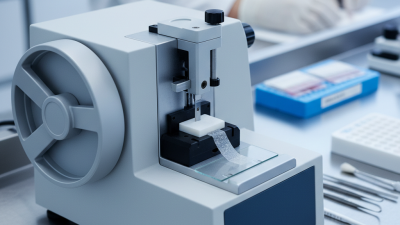
In the world of histology, precision is paramount. The microtome blade holder plays a vital role in achieving accurate sectioning. Dr. Emily Chen, a renowned histopathologist, emphasizes, “A stable microtome blade holder is essential for consistent results.” This statement reflects the importance of reliable tools in producing high-quality tissue sections.
When working with delicate samples, even the slightest misalignment can lead to significant errors. A well-designed microtome blade holder ensures that the blade remains secure and aligned correctly during sectioning. This stability reduces the risk of uneven slices that compromise analysis.
However, not all microtome blade holders are created equal. Some might lack features that enhance control and precision. Users must evaluate their instruments carefully. The right holder can make a difference in research outcomes. Investing in a quality microtome blade holder is crucial, yet some may overlook its importance. Precision sectioning begins with the right tools. It's a step worth reflecting on.

Importance of Precision in Histological Sectioning
Precision is crucial in histological sectioning. A small error can lead to significant discrepancies in diagnosis. Research indicates that up to 40% of discrepancies in histopathological diagnoses stem from tissue processing errors. This highlights the need for precise techniques and reliable tools. Using a microtome blade holder enhances consistency. It stabilizes the blade, reducing variability in thickness across sections.
Sectioning tissues at uniform thickness is essential for accurate analysis. For best results, sections should range from 3 to 5 micrometers. An inconsistent thickness can distort the interpretation of histological structures. Pathologists often need to identify cellular abnormalities. When sections are uneven, critical details may be overlooked. Unstable blade holders can contribute to these issues, leading to poorly cut sections.
Employing a high-quality blade holder simplifies the process. The right equipment minimizes the coefficient of variation in section thickness. Studies have shown that using reliable tools can reduce errors by more than 30%. This improvement is vital, especially in cases where precise measurements guide treatment options. Without precision, the risk of misdiagnosis increases, impacting patient care significantly.
Overview of Microtome Blade Holders and Their Functionality
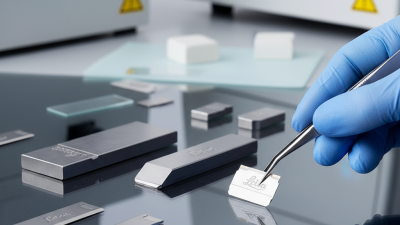
Microtome blade holders are essential tools for achieving precise thickness in sectioning specimens. They securely grip the blade, ensuring stability during the slicing process. A well-designed holder minimizes vibrations, which can lead to uneven cuts. The material and design of the holder influence the outcome significantly. Users often overlook this aspect, leading to frustrating outcomes.
Different microtome blades serve various purposes. A blade that works well for one material may not be suitable for another. Experimenting with different setups can result in trial and error. Sometimes, users find that minor adjustments in blade angle improve results. Striking the right balance between a firm grip and flexibility is key to success.
Many professionals believe that investing in a high-quality holder is not necessary. However, poor-quality holders can affect the precision of cuts. Inconsistent thickness can render samples unusable for analysis. This creates wasted time and resources. Users should evaluate their needs and reconsider their tools for optimal performance.
Key Features to Look for in a Quality Microtome Blade Holder
When it comes to precision sectioning in laboratory settings, a quality microtome blade holder is essential. One key feature to consider is the material of the holder. High-strength materials, like stainless steel, can resist corrosion and wear. According to industry data, using durable materials increases the lifespan of the blade holder by up to 30%. This durability ensures consistent performance, reducing the need for frequent replacements.
Another important aspect is the holder’s compatibility with various blade types. A versatile holder accommodates different sizes and shapes of microtome blades. This flexibility allows scientists to switch blades based on their specific needs. For instance, a sharp blade is vital for thin sections, especially when working with biological samples that require precision. However, the challenge lies in choosing a holder that maintains the blade's alignment perfectly. Misalignment can lead to uneven sectioning, which may compromise the quality of research outputs.
Ease of adjustment is also vital. Some holders require tools for adjustments, while others offer quick-release mechanisms. Quick adjustments can save time in fast-paced environments. Yet, convenience can lead to sloppy handling if users rush the process. It's crucial for lab personnel to maintain focus and precision during sectioning, despite time pressures. Finding the right balance between efficiency and accuracy remains an ongoing challenge in laboratory work.
Why You Need a Microtome Blade Holder for Precision Sectioning? - Key Features to Look for in a Quality Microtome Blade Holder
| Feature |
Description |
Importance |
| Material Quality |
High-grade materials ensure durability and precision. |
Crucial for longevity and consistent sectioning results. |
| Blade Compatibility |
Compatible with a variety of blade types and sizes. |
Increases versatility in applications. |
| Adjustability |
Allows for easy height and angle adjustments. |
Enhances precision in sectioning specific samples. |
| Safety Features |
Includes guards and safety locks to prevent injuries. |
Essential for user safety during operation. |
| Ease of Use |
User-friendly design for quick setup and operation. |
Important for efficiency in the lab environment. |
| Price |
Variety of prices to accommodate different budgets. |
allows laboratories to choose based on their financial constraints. |
Applications of Microtome Blade Holders in Scientific Research
Microtome blade holders play a critical role in scientific research. They ensure precision when sectioning samples. A small error can lead to inaccurate results. Researchers often spend weeks preparing samples. Having an unstable blade holder can ruin that effort. This is an area where precision truly matters.
In histology, for instance, microtome blade holders allow for thin, uniform slices. These slices are crucial for observing cellular structures. However, not every holder performs equally. Some may slip or fail to hold the blade tightly. This inconsistency can lead to uneven sections. It is a challenge that researchers must confront regularly.
Another application is in materials science. Here, microtome blades are used to cut polymers or metals. The goal is always to achieve clean, reproducible sections. Yet, variations in temperature or pressure can affect results. A reliable blade holder minimizes these variables. Even so, occasional imperfections in cutting can lead to the need for re-evaluation. Researchers must constantly adapt to achieve the best outcomes.
Maintenance and Care Tips for Microtome Blade Holders
Microtome blade holders play a crucial role in achieving precision in sectioning. Proper maintenance is essential for optimal performance. Keeping the blade holder clean helps maintain the integrity of the sections. Debris can lead to uneven cuts and damage to the samples. Regularly inspecting the holder for wear can prevent issues from arising.
Here are some tips to care for your microtome blade holder: First, always use a soft cloth to wipe down the holder after each use. Avoid harsh chemicals that may damage the surface. Pay attention to the screws and clamps; ensure they are tight and free of rust. This can greatly affect your cutting precision.
Another important tip is to store the blade holder in a dry, clean place. Humidity can lead to corrosion, affecting the quality of your sections. Check the holder for any tiny scratches or dents. Small imperfections can have a big impact on results. Take time to reflect on your cleaning and storage practices; improving these can enhance your work significantly.