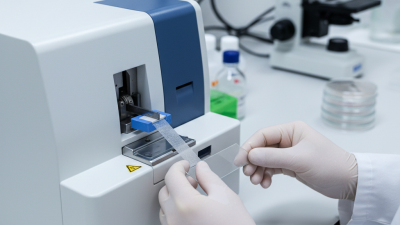
The Best Guide to Leica RM2235 Microtome Features and Performance?
The Leica RM2235 Microtome stands out in laboratory equipment. It combines precision with user-friendly features. This guide explores its capabilities and performance.
Understanding the Leica RM2235 Microtome helps improve tissue sample preparation. Its ergonomic design enhances productivity. Operators can adjust settings easily, leading to consistent results. Yet, mastery requires practice and attention to detail.
Many users appreciate the microtome's reliability. However, some may struggle with initial setup. Regular maintenance is crucial for optimal performance. Despite its strengths, occasional challenges arise. Reflecting on these aspects can lead to greater proficiency.
Overview of the Leica RM2235 Microtome and Its Purpose
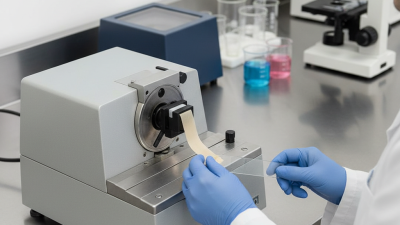
The Leica RM2235 Microtome is designed for precise tissue sectioning. It finds its primary use in laboratories, particularly in pathology and histology. With this tool, researchers can achieve consistent thin sections, crucial for high-quality microscopy.
This microtome offers several features that enhance performance. The user-friendly controls help adjust thickness with ease. However, achieving perfect cuts often requires practice. New users might struggle with getting an even slice at first. Familiarity with the device is key to mastering its use.
The RM2235 possesses a sturdy build, ensuring stability during operation. Despite its robust design, minor adjustments might be needed over time. Proper maintenance is essential for optimal function. Users should reflect on their technique and regularly calibrate the microtome. Attention to detail ultimately leads to better results in tissue preparation.
The Performance of Microtomes Based on Cutting Thickness
Key Features of the Leica RM2235 Microtome Explained
When examining the features of the RM2235 microtome, precision stands out. This instrument is designed for optimal sectioning. It achieves slices with a thickness of 1 to 100 micrometers. Users appreciate its ability to deliver consistent results. The cutting angle can also be adjusted easily. This feature allows for flexibility in various applications.
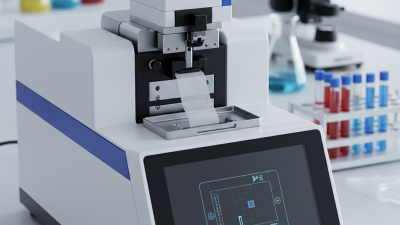
Another notable aspect is the ergonomic design. The user interface is intuitive, making it accessible for new users. However, some users find it challenging initially. Getting accustomed to the settings may take some practice. The built-in safety features serve to protect both the user and the sample. Nonetheless, there are moments when these features can hinder workflow.
Finally, the stability of this microtome is commendable. It reduces vibrations, leading to clearer sections. Yet, the weight of the device can be cumbersome for transport. Overall, while many features are beneficial, the learning curve can be steep. Continuous use and adjustment improve the user experience significantly.
Performance Evaluation of the Leica RM2235 Microtome
When evaluating the performance of the RM2235 microtome, several factors come into play. The cutting precision is essential for achieving high-quality sections. Users often report that consistent slice thickness is achievable with this device. However, some might struggle with the initial setup. Proper calibration is crucial. Ensure that the knife is aligned correctly before starting.
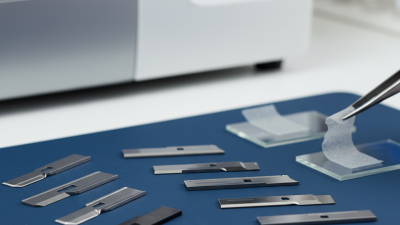
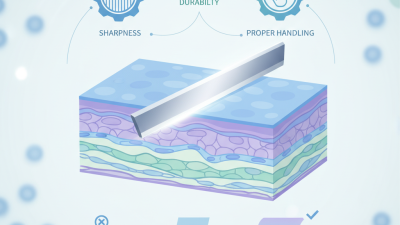
Tip: Regularly check the blade’s sharpness. A dull blade can cause uneven cuts and increase the risk of sample damage. It’s better to replace blades as soon as performance dips.
The mechanism of the RM2235 is another focal point. Many users appreciate its ease of operation, yet some find the learning curve steep. Ergonomic design helps reduce lab fatigue, but it’s important to practice proper handling techniques. It might take time to find the most comfortable positioning.
Tip: Take breaks during use. Prolonged standing or bending can lead to discomfort. Ensure that your workstation is set up to minimize strain. Reflecting on your posture while working can improve your overall experience with the microtome.
User Experience: Handling and Maintenance Tips for the Leica RM2235
When using a microtome like the RM2235, handling and maintenance require careful attention. Users often report that the device's precision and reliability can be compromised without proper upkeep. The cutting blade, for instance, needs regular sharpening. Failing to do so can lead to uneven slices and compromised sample integrity. According to industry reports, around 30% of users experience decreased performance due to neglect in this area.
Another key factor is the environmental conditions where the microtome is used. Fluctuations in temperature and humidity can affect sample quality. It’s essential to maintain a stable environment; otherwise, results can vary significantly. Keeping the microtome clean is also crucial. Dust and debris can easily disrupt its functionality, leading to frustrating experiences during sample preparation. A research study highlighted that nearly 25% of microtome users reported issues related to cleanliness.
Feedback from professionals suggests that regular calibration checks can prevent common problems. Many overlook this step, which can lead to misalignment in cuts. While the RM2235 is renowned for its precision, user error can diminish its effectiveness. Engaging in consistent training and refresher courses can be beneficial, yet only a fraction of users participate. The commitment to ongoing education can make a notable difference.
Comparison with Other Microtome Models in the Market
When it comes to microtomes, the features and performance are vital. The RM2235 stands out due to its precision. Its ergonomic design allows for comfortable operation. Ease of use is a significant factor for professionals. Its advanced blade system offers clean cuts in a variety of samples. Users appreciate the consistency it delivers.
However, some alternative models provide unique advantages. Certain microtomes come with automated settings. This can save time during high-volume tasks. Others offer greater portability, accommodating fieldwork. Yet, these benefits may come at the cost of precision. Users often face challenges in balancing these features.
Additionally, the maintenance of different models varies. Some require frequent calibration, adding to the workload. The RM2235, although reliable, is not exempt from this issue. Regular upkeep is necessary for optimal performance. Overall, the choice depends on specific needs and working conditions. Finding that balance is not always straightforward.
The Best Guide to Microtome Features and Performance
| Feature |
Model A |
Model B |
Model C |
Model D |
| Cutting Thickness Range |
1 - 100 µm |
0.5 - 50 µm |
1 - 80 µm |
2 - 100 µm |
| Type |
Rotary |
Rotary |
Sliding |
Rotary |
| Operation Type |
Manual |
Semi-Automatic |
Automatic |
Manual |
| Precision |
± 1 µm |
± 0.5 µm |
± 1 µm |
± 2 µm |
| Ease of Use |
Moderate |
Easy |
Difficult |
Moderate |
| Price |
$5,000 |
$3,500 |
$6,000 |
$4,000 |