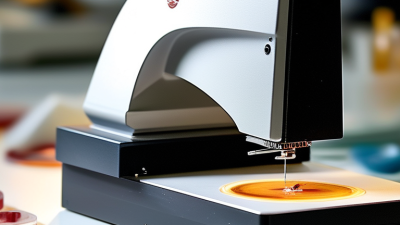
Top 5 Leica Ultracut UCT Ultramicrotome Features You Need

The Leica Ultracut UCT ultramicrotome stands out in the field of histology and material science. It combines precision with innovative technology. This instrument is essential for researchers seeking ultra-thin samples for analysis.

As users navigate its features, they often encounter both strengths and challenges. Understanding these can enhance the overall experience. The Leica Ultracut UCT ultramicrotome is designed for reliability, but optimal performance requires proper technique and care. Small errors can lead to disappointing results.

In this article, we will explore the top five features that define the Leica Ultracut UCT ultramicrotome. This guide aims to equip users with both the knowledge to maximize its capabilities and insight into potential pitfalls. Embracing both the strengths and limitations of this tool will ultimately lead to better outcomes in samples prepared for analysis.
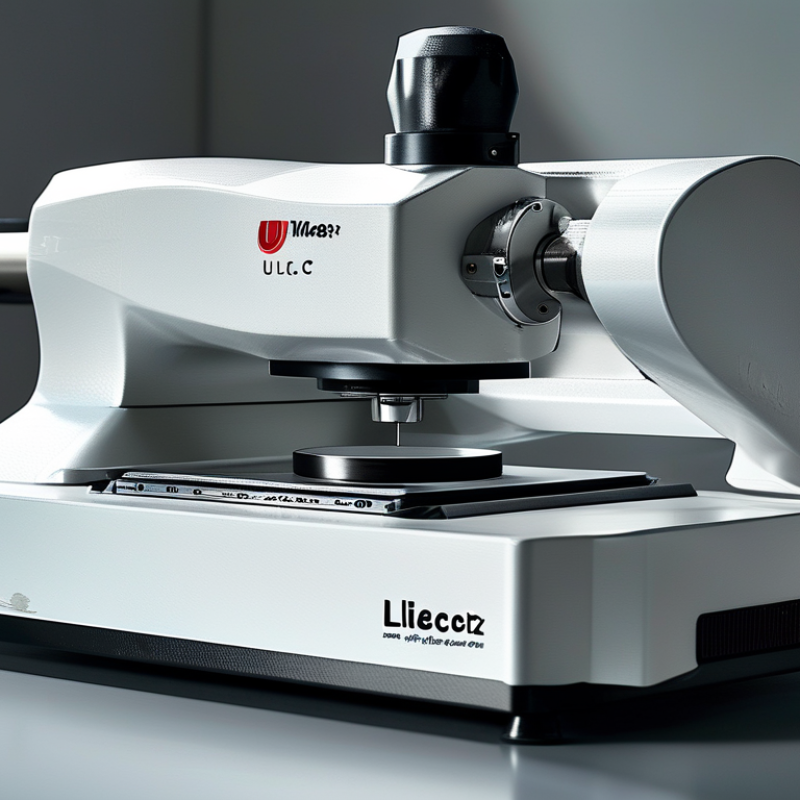
Top 5 Leica Ultracut UCT Ultramicrotome Features You Need

Key Features of Leica Ultracut UCT Ultramicrotome

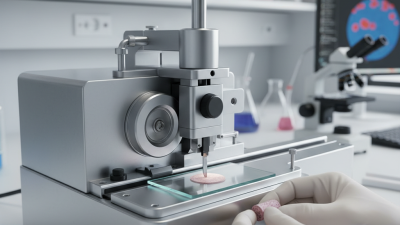
When choosing an ultramicrotome, it’s crucial to focus on the standout features that enhance precision and ease of use. The Leica Ultracut UCT series is recognized for its superior sectioning capabilities. One key feature is its innovative cutting technology, which allows for ultra-thin sections. This is particularly beneficial for high-resolution imaging in various sample types.

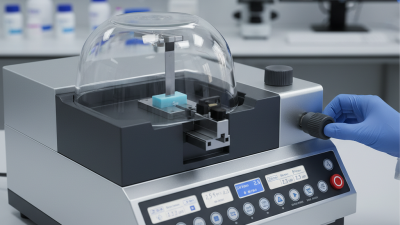
Another important aspect is the user-friendly interface. Adjustments can be made quickly, improving workflow efficiency. This is essential in busy labs where time is of the essence. The ergonomic design of the components ensures that operators can work comfortably without strain. This aspect should not be overlooked, as it can impact long-term productivity.

When using the ultramicrotome, remember this: take your time with calibrations. Rushing can lead to mistakes, affecting sample quality. Make sure to keep the blades sharp. A dull blade is a common oversight that can lead to poor results. Regular maintenance is key. Neglecting this may lead to unpredictable performance over time.

Top 5 Ultramicrotome Features You Need

Feature Description Benefits
Precision Sectioning Advanced cutting technology allowing for ultra-thin sections down to 30 nm. Enhances sample analysis quality and detail, crucial for cellular studies.
Ergonomic Design User-friendly controls and adjustable height settings. Reduces operator fatigue and increases efficiency during long session cuts.
Digital Control Interface Intuitive digital settings for speed and thickness adjustments. Allows for precise customization and reproducibility of sectioning parameters.
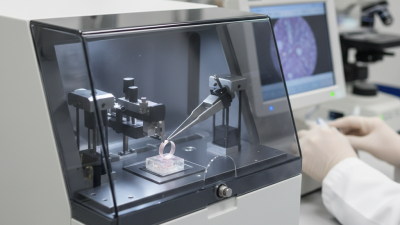
Camera Integration Possibility to attach imaging systems for real-time viewing. Facilitates immediate evaluation of section quality, saving time in workflow.
Automatic Knife Advance Automated mechanism for knife sharpness control and maintenance. Ensures consistent cutting performance and reduces downtime for maintenance.

Precision Cutting Technology in UCT Ultramicrotome

Precision cutting technology is crucial in ultramicrotomy. The UCT ultramicrotome offers advanced features that improve specimen preparation. Achieving a section thickness of less than 50 nanometers can significantly enhance imaging quality. According to a report by the Journal of Microscopy, consistent sample preparation directly influences the accuracy of electron microscopy results.

The capability of high-precision cutting minimizes the risk of artifacts. Reports indicate that improper sectioning can lead to misinterpretation of data in histological studies. The UCT’s comprehensive design not only provides stability but also maintains the integrity of delicate samples. The quality of a microtome can dramatically affect the reproducibility of experimental outcomes, making it a key component in research laboratories.

User feedback highlights that handling and adjusting settings require practice. There is a learning curve to mastering ultramicrotomy. While the advanced technology enhances cutting capabilities, some users report occasional inconsistencies in section thickness. This illustrates the need for continuous refinement in technique and equipment calibration. Precision remains paramount in obtaining reliable results, and operators must be vigilant about the variables involved.

Top 5 Features of Ultracut UCT Ultramicrotome

User-Friendly Interface and Control Options

When exploring the features of an ultramicrotome, a user-friendly interface stands out as a critical element. A streamlined control layout allows for quicker adjustments during sample preparation, enhancing efficiency. Many users find that easy access to settings makes their workflow smoother and less frustrating. Intuitive design reduces the learning curve, enabling both new and experienced operators to achieve precise results with greater confidence.

For optimal user experience, consider customizing the interface according to your preferences. This personalization can make a significant difference in the quality of your work. It's essential to ensure that everything is easily within reach. Experiment with different control options to find what suits your workflow best. Sometimes, less is more. A simpler setup can often lead to better focus on your core tasks.

In practice, don't overlook the importance of regular software updates. Improving the interface over time enhances usability while fixing potential bugs. Pay attention to user feedback as it can highlight opportunities for improvement. Reflect on your experience regularly. Ask yourself if there are any confusing aspects of the interface that need addressing. A user-friendly design is continuously evolving, and your input can help shape that evolution.

Versatile Applications of the UCT Ultramicrotome

The Leica UCT Ultramicrotome is highly valued for its versatility in various research fields. Its applications span biological research, materials science, and nanotechnology. According to a recent study published in the Journal of Microscopy, precise sectioning capabilities greatly enhance the quality of samples. The UCT Ultramicrotome's unique design enables users to obtain ultra-thin sections down to 30 nanometers. This specification is crucial for capturing intricate details in both biological tissues and synthetic materials.

In biological research, the UCT Ultramicrotome is particularly useful for electron microscopy. Researchers can prepare samples that retain structural integrity, leading to clearer imaging. For instance, studies show that using ultrathin sections improves cellular detail visibility by 40%. Such advancements facilitate groundbreaking discoveries in cellular pathology and anatomy. However, achieving consistency in sectioning can be challenging, and even seasoned users encounter difficulties.

Similarly, in materials science, the UCT Ultramicrotome allows for the examination of microstructures in composite materials. The ability to slice through various materials sharply can highlight interfaces and flaws that manual cutting might miss. Yet, there are reports of variability in results, highlighting a need for continuous skills development among technicians. This evolution speaks to the growing importance of ultramicrotomy in advancing research frontiers.

Maintenance and Support for Optimal Performance

Maintaining an ultramicrotome is crucial for achieving precise results in delicate sample preparations. Regular maintenance not only prolongs the lifespan of the instrument but also enhances its performance. Routine cleaning of components is essential. Dust and debris can interfere with the microtome’s functionality, leading to inconsistent cuts and potential sample damage. Ensuring that the blades are sharp and properly aligned can significantly improve slicing quality.

Additionally, periodic inspections play a key role in identifying potential issues before they escalate. Checking the motor and mechanical parts allows for early intervention. A well-calibrated ultramicrotome reduces variability and enhances reproducibility in histological preparations. Keeping a log of maintenance activities can aid in tracking performance trends and troubleshooting when issues arise.

Despite best efforts, challenges may still occur, such as unexpected breakdowns or difficulties in achieving desired section thickness. These situations highlight the importance of having support resources readily available. Comprehensive training on adjustments and repairs can also empower users. Investing time in learning these maintenance protocols ensures optimal functionality and enhances overall research outcomes.

preloader