
Top 10 Vape Batteries for Global Buyers in 2026?

Choosing the right Vape Batteries in 2026 requires more than comparing capacity and price. Global buyers must examine chemistry, continuous-discharge ratings, protection design, traceability, and supplier testing. A shiny label cannot reveal cell quality. A warm battery can reveal a problem quickly.

The International Energy Agency reported that global battery demand exceeded 1 TWh in 2024, reflecting stronger production, wider sourcing, and intense competition. However, vape battery data remains fragmented across markets. Reports from Grand View Research and ResearchAndMarkets track the broader electronic-cigarette industry, but they rarely separate battery formats clearly. This gap makes supplier verification essential. Buyers should request batch records, safety documentation, transport evidence, and testing aligned with standards such as IEC 62133-2 and relevant UL requirements.

Professor Shirley Meng, a leading battery scientist, has described the battery as “the heart of an electric vehicle.” The same principle applies here. A device may look compact, yet its battery controls heat, runtime, and daily reliability. This Top 10 Vape Batteries guide compares widely used 18650 and 21700 options, focusing on consistency rather than marketing claims. It considers real-world details, including temperature rise, wrapper quality, contact stability, and performance under repeated use.

Rankings are never permanent. Manufacturing batches change. Supplier information can be incomplete. That is why this guide treats published specifications as evidence, not absolute truth. The safest choice is not always the highest-capacity cell. It is the battery with credible testing, clear identification, and dependable quality control.
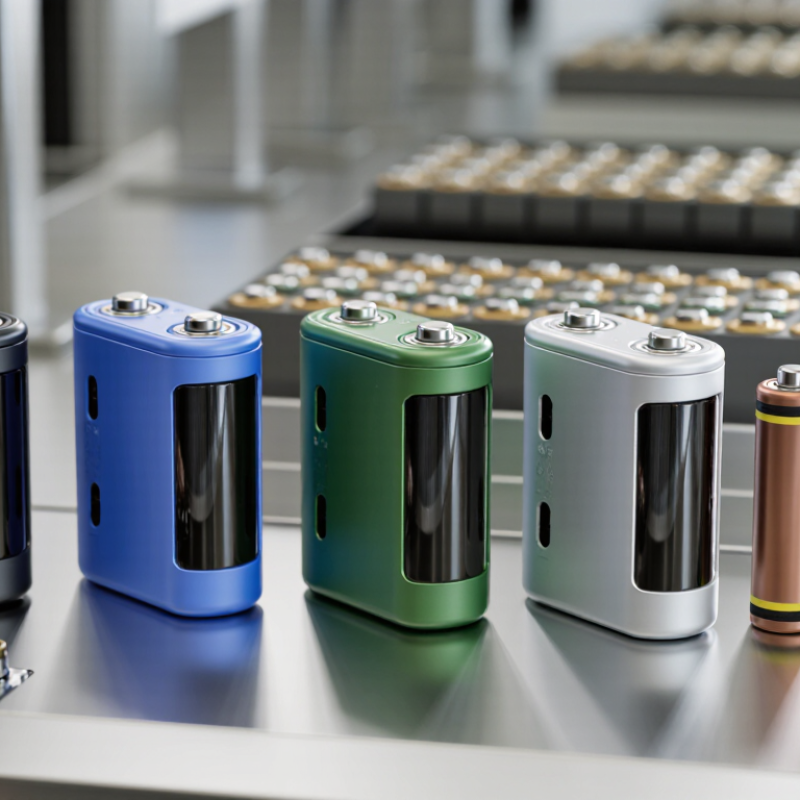
Top 10 Vape Batteries for Global Buyers in 2026?

Vape Battery Types and Key Buying Criteria for Global Users

Top 10 Vape Batteries for Global Buyers in 2026?

Vape Battery Types and Key Buying Criteria for Global Users

Vape batteries generally fall into two categories: integrated rechargeable packs and removable cylindrical cells. Integrated packs are convenient because users charge the device directly. They also reduce handling mistakes. However, replacement usually requires professional service. Removable cells, such as 18650 and 21700 formats, offer flexibility and easier replacement. They require careful matching with the device and charger.

Do not judge a battery by capacity alone. Check the manufacturer’s continuous discharge rating, voltage range, dimensions, and protection features. A higher capacity may provide longer use, but it can also charge more slowly. Real performance often differs from packaging claims. That deserves attention. Use a charger designed for the exact cell type. Inspect wrappers, terminals, and insulation before every use. Never use a swollen, leaking, dented, or overheated battery.

Global buyers should verify authentic test documentation, production dates, and transport requirements. Independent safety certification can provide stronger evidence than attractive advertising. Confirm whether the battery fits the device’s power limits. Loose cells should travel in protective cases, never with coins or keys. Store them away from heat and direct sunlight. Some buyers focus on price and forget after-sales support. I have found that compatibility questions often matter more than small capacity differences. Local laws, shipping restrictions, and recycling rules also vary, so check them before ordering.

How to Compare Capacity, Output, Size, and Battery Chemistry

When comparing the top ten vape batteries for global buyers in 2026, begin with capacity. Capacity is usually listed in milliampere-hours, or mAh. A higher rating may provide longer use between charges. However, it can also mean a larger or heavier battery. Capacity claims sometimes differ from real-world performance. Check independent test data when available.

Output is equally important. Match the battery’s continuous output rating with the device’s requirements. Do not rely only on a short peak-output figure. Stable performance matters more during regular use. Size also deserves careful attention. Measure the battery compartment before ordering. A small difference can prevent proper installation. Never force a battery into place.

Battery chemistry affects safety, lifespan, and operating behavior. Lithium-ion cells can offer strong energy density, but they require suitable charging controls. Protected designs may reduce certain risks, yet protection is not a substitute for careful handling. Keep cells dry and cool. Replace damaged or swollen batteries immediately. For global purchases, review conformity documents, transport testing, and the seller’s storage guidance. Requirements vary by destination. My comparisons often change after checking actual dimensions and discharge data, so marketing tables should not be treated as final evidence.

Top 10 Vape Batteries for Global Buyers in 2026? - How to Compare Capacity, Output, Size, and Battery Chemistry

Comparison of common high-drain cylindrical lithium-ion battery formats. Specifications are typical industry ranges and may vary by cell construction and test method.

Rank Battery Format Nominal Capacity Typical Continuous
Discharge Rating
Approx. Continuous
Cell Power*
Nominal Voltage Approx. Dimensions Common Chemistry Best Use Profile
1 21700 High-Drain 4,000 mAh 30 A ≈108 W 3.6 V 21 × 70 mm NMC/NCA lithium-ion Strong balance of current capability, runtime, and moderate device size
2 21700 High-Capacity 5,000 mAh 15 A ≈54 W 3.6 V 21 × 70 mm NMC lithium-ion Long runtime for moderate-power regulated devices
3 18650 High-Drain 2,500 mAh 20 A ≈72 W 3.6 V 18 × 65 mm NMC/NCA lithium-ion Compact devices requiring relatively high current delivery
4 21700 Balanced-Output 4,500 mAh 25 A ≈90 W 3.6 V 21 × 70 mm NMC lithium-ion Balanced choice for higher-power single-cell or dual-cell designs
5 18650 Mid-Capacity 3,000 mAh 15 A ≈54 W 3.6 V 18 × 65 mm NMC lithium-ion General-purpose devices prioritizing compact size and useful runtime
6 26650 High-Drain 4,500 mAh 20 A ≈72 W 3.6 V 26 × 65 mm NMC lithium-ion Large-format devices where higher capacity is more important than compactness
7 18650 Extra-High-Drain 2,000 mAh 25 A ≈90 W 3.6 V 18 × 65 mm NMC/NCA lithium-ion High-current applications with limited space and shorter expected runtime
8 20700 High-Drain 3,000–4,000 mAh 20–25 A ≈72–90 W 3.6 V 20 × 70 mm NMC lithium-ion Intermediate size between 18650 and 21700 formats
9 26650 High-Capacity 5,500 mAh 15 A ≈54 W 3.6 V 26 × 65 mm NMC lithium-ion Extended runtime in devices designed for larger battery compartments
10 18650 High-Capacity 3,500 mAh 10 A ≈36 W 3.6 V 18 × 65 mm NMC lithium-ion Lower-power devices where compact dimensions and longer runtime matter most
Important selection note: Approximate continuous cell power is calculated as nominal voltage × continuous discharge rating and is not the guaranteed regulated-device output. Use only cells with verified specifications, intact insulating wraps, and a charger designed for the battery format. Do not exceed the manufacturer’s continuous discharge rating or use damaged, mixed, or unprotected cells.

Top 10 Vape Batteries for Different Devices and Usage Needs

Choosing among the top 10 vape batteries in 2026 depends on the device, power demand, and daily routine. Compact pod systems usually suit sealed lithium-ion batteries, while replaceable-cell devices may use 18650, 20700, or 21700 formats. Larger cells can offer longer runtime, but they also add weight and require careful handling. For low-power use, a certified integrated battery may be the simplest option. High-output devices need cells with a verified continuous-discharge rating, not an exaggerated marketing number.

For different needs, consider ten practical battery choices: sealed internal cells, replaceable 18650 cells, 20700 cells, 21700 cells, protected cells, high-drain cells, long-runtime cells, compact cells, matched dual-cell sets, and manufacturer-fitted battery packs. Each option has limits. A matched pair should remain together, with similar age and charging history. Never mix damaged cells. Check the wrap, terminals, and charger before use. Small details matter.

Keep spare batteries in a rigid case. Never carry loose cells beside keys or coins. Stop using any cell that becomes unusually hot, swollen, dented, or leaky. A reputable charger should stop automatically and support the correct chemistry. I still recheck specifications, because battery labels can be confusing and sometimes incomplete. No chart is perfect. Buyers should confirm the device manual, local safety requirements, and the battery’s tested rating before purchase. Long runtime is useful, but predictable performance matters more.

Safety Standards, Authenticity Checks, and Responsible Battery Care

Top 10 Vape Batteries for Global Buyers in 2026?

Safety begins before purchase. Buyers should check the battery type, capacity, discharge rating, and intended device. A higher number does not automatically mean better performance. Look for verifiable compliance with relevant standards, such as IEC 62133-2 or UL 8139, where applicable. Regional markings can support research, but they are not proof of quality alone. Ask for traceable product information, clear specifications, and a responsible seller.

Not every warning is obvious. Counterfeit batteries may copy packaging, labels, or verification codes. A code can help, but it should not be the only check. Compare printed details with the manufacturer’s official documentation, when available. Avoid cells with spelling errors, missing safety information, damaged wrapping, or unusually low prices. I would also question vague discharge claims. They often sound impressive but lack testing evidence.

Safe care requires consistent habits. Use the recommended charger and never leave charging unattended or overnight. Keep batteries away from coins, keys, water, direct sunlight, and extreme heat. Store loose cells in a protective case, not a pocket or bag. Stop using any battery that becomes swollen, torn, unusually hot, or leaks. Do not mix old and new cells, or batteries with different capacities. Small habits matter. Even careful users can become complacent, especially when a battery appears normal. Recheck the device and battery condition regularly, and follow local disposal guidance for damaged lithium-ion cells.

Global Purchasing, Shipping Rules, and 2026 Market Considerations

For a 2026 top-ten vape battery shortlist, global buyers should assess safety before price. Compare verified capacity, stable discharge performance, cycle life, temperature control, and protection against overcharging. A larger capacity is not automatically better. It may increase weight, shipping complexity, and heat exposure.

The International Air Transport Association’s Dangerous Goods Regulations for 2026 classify lithium-ion batteries as regulated air cargo. Suppliers should provide UN 38.3 test summaries, accurate watt-hour ratings, secure terminals, and compliant packaging. Requirements can differ between air, sea, and courier services. The International Energy Agency’s Global Critical Minerals Outlook 2025 also highlights continuing pressure on battery-material supply chains. This may affect lead times and pricing. Grand View Research continues to report strong growth in the global electronic vaporizer market, but market forecasts vary widely. That uncertainty deserves caution. A ranking based only on online reviews is imperfect.

Tips: Ask for recent laboratory documents, not copied certificates. Confirm whether the quoted price includes dangerous-goods handling and customs paperwork. Check warehouse temperature controls and insurance terms. For air shipments, verify the carrier’s current acceptance rules before payment. Keep purchase records, batch numbers, and inspection photos. A small documentation gap can delay an entire carton.

preloader