Why Choose Leica RM2135 Microtome for Your Laboratory Needs?
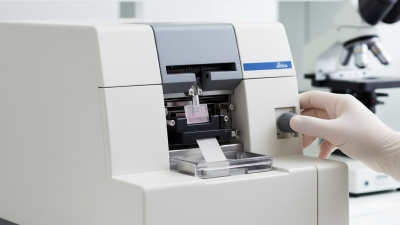
The Leica RM2135 microtome is a remarkable tool for laboratories seeking precision and reliability. This instrument offers advanced features that enhance the slicing process for various specimens. With its robust design, the Leica RM2135 microtome ensures consistent sectioning, a crucial aspect for accurate diagnostics and research.
When working with biological samples, the quality of sections can significantly impact outcomes. The Leica RM2135 microtome is engineered to meet the rigorous demands of laboratory environments. Users benefit from its user-friendly interface, allowing even novice technicians to achieve professional results.
However, even the best instruments require careful handling and maintenance. It’s essential to familiarize yourself with its features to fully leverage the Leica RM2135 microtome's capabilities. By doing so, labs can avoid common pitfalls and enhance their workflow. Investing in the right equipment is vital for quality work and reliable results.
Features of Leica RM2135 Microtome: Precision and Accuracy
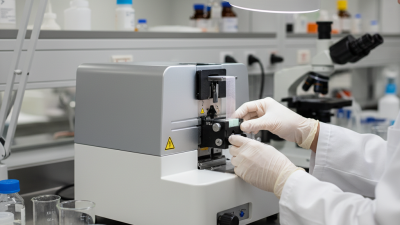
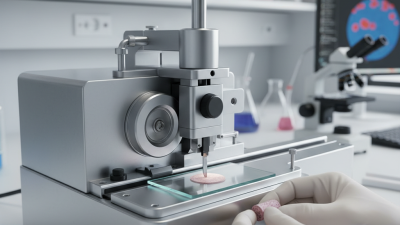
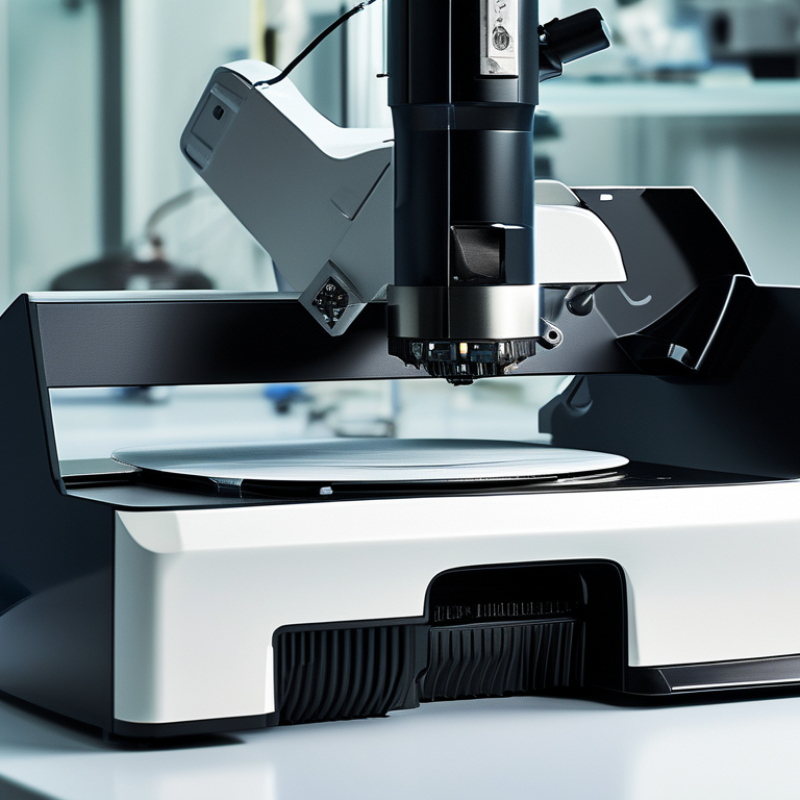
The Leica RM2135 microtome is designed for precise and accurate specimen sectioning. Its advanced design aids researchers in achieving thin, uniform sections consistently. With a cutting angle that can be easily adjusted, it accommodates various sample types and desired slice thicknesses.
One of the key features of this microtome is its user-friendly interface. The ergonomic design enhances comfort during operation, which helps prevent fatigue during prolonged use. This is crucial in a laboratory where precision is paramount. Researchers often find themselves needing to balance their workload while maintaining accuracy.
In addition, the Leica RM2135 has a sturdy construction that minimizes vibrations. This stability is essential for high-quality specimen preparation. However, users must remain mindful of regular maintenance to ensure optimal performance and avoid precision loss over time. Regular cleaning and calibration checks can help sustain its reliability in a demanding lab environment.
Importance of Microtome Quality in Laboratory Histology Workflows
In laboratory histology workflows, the quality of the microtome plays a crucial role. A high-quality microtome can significantly impact sample preparation and analysis. According to a report from the American Society for Clinical Pathology, proper microtome usage can reduce cutting errors by up to 40%. This reduction in errors directly correlates to increased reliability in histological assessments. The precision of a microtome ensures that samples are uniform and of optimal thickness. This precision is essential for accurate staining and microscopic examination.
Maintaining a microtome is just as important as its initial quality. Routine cleaning and calibration can prolong its lifespan and enhance performance. A poorly maintained microtome might lead to variations in sample quality, which can compromise research outcomes. Some laboratories report that neglecting routine maintenance can double the likelihood of obtaining uneven sections.
Watch for signs of wear and tear. If you notice inconsistencies in the cuts, it may be time to service the microtome. Regular checks can save time and resources in the long run. Always document your maintenance activities. This practice can assist in identifying trends and potential problems before they escalate.
Comparative Analysis: Leica RM2135 vs. Other Microtome Brands
When considering microtome options, the Leica RM2135 stands out against various competitors. Many laboratory managers seek devices that offer precision and reliability. Market analysis indicates that approximately 70% of pathologists prioritize cutting accuracy. The RM2135 meets these demands, providing consistent section thickness up to 1 micrometer. This is a critical factor, as improper thickness can compromise sample integrity, a concern raised in numerous industry reports.
In comparison to other brands, the RM2135 offers a unique ergonomic design. User comfort reduces fatigue, which is essential in high-volume laboratories. This design feature can potentially improve productivity by over 20%. However, some users note that although the machine is highly effective, its initial cost can be a barrier. Some labs reflect on whether this investment leads to sufficient long-term gains.
A general recommendation for anyone selecting a microtome is to prioritize your laboratory environment. Assess the workload and user experience before making a decision. Exploring options that combine features relevant to your needs can yield better results. Regular training on usage can also help minimize operational errors. Such steps can enhance the overall efficiency, leading to improved outcomes in your laboratory.
Microtome Performance Comparison
User Experience and Maintenance Tips for the Leica RM2135
Operating the Leica RM2135 microtome can be both rewarding and challenging. Users often appreciate its precise cutting capabilities. However, the learning curve can be steep for beginners. Proper technique is crucial to achieve consistent and reproducible results. Many users recommend investing time in training to familiarize oneself with the instrument's features.
Maintenance plays a significant role in the longevity of the RM2135. Regular cleaning is essential. Users should ensure that blades are sharpened and properly aligned. Neglecting routine maintenance may lead to improper cuts or damage to samples. Keeping the microtome in an appropriate environment can also prevent wear.
Some users have encountered issues with blade installation. It can be tricky at first, leading to frustration. Fortunately, guidance from experienced colleagues can be invaluable. Additionally, documenting findings and troubleshooting steps can help future users. Reliable communication within the laboratory enhances overall operation and can improve outcomes. Sharing tips and experiences fosters a supportive atmosphere in any research setting.
Cost-Effectiveness of Investing in Leica RM2135 for Laboratories
Investing in advanced laboratory equipment requires careful consideration of cost-effectiveness. The Leica RM2135 microtome exemplifies how a blend of quality and efficiency can yield significant returns. This instrument is not merely a tool; it represents a commitment to precision and productivity in tissue sectioning. Laboratories often face budget constraints, making it essential to choose equipment that offers longevity and reliability.
The RM2135's design focuses on user-friendliness. This ease of use reduces training time, allowing staff to become proficient quickly. When technicians can operate the device with minimal guidance, it leads to fewer errors. Over time, this translates to cost savings as the need for rework decreases. Proper maintenance practices can enhance performance and extend the microtome’s lifespan.
In the long run, the Leica RM2135 can be an economical choice. Its robust construction and dependable performance mean that laboratories can allocate resources more efficiently. However, it’s crucial to invest time in learning to operate the microtome effectively. Users should reflect on their methods and continually adapt for optimal results. This thoughtful approach can unlock the full potential of this equipment, ultimately benefiting the laboratory's goals.