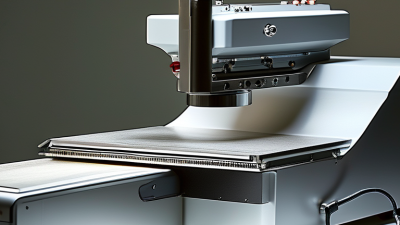
2026 Top Sakura Microtome Types Buying Guide for Global Buyers
Choosing a sakura microtome in 2026 requires more than comparing brand names or listed cutting thickness. Laboratories must match instrument design with workload, specimen hardness, operator skill, and service access. A paraffin block may look ordinary, yet one uneven section can hide cellular detail under the microscope.
Grand View Research reports continuing growth in the global microtome market through 2030, supported by expanding pathology services and biomedical research. The World Health Organization’s Global Cancer Observatory also projects rising cancer incidence worldwide. These trends increase demand for consistent tissue preparation, especially in hospitals processing hundreds of blocks daily. Sakura Finetek’s own product literature highlights automated trimming, reproducible sectioning, and ergonomic workflow control across selected systems.
Dr. John A. Kiernan, a respected histology author, wrote, “The microtome is a precision instrument, not merely a knife holder.” That reminder still matters. Buyers should inspect feed accuracy, blade compatibility, handwheel balance, safety features, cleaning access, and local technical support. A premium model may reduce fatigue, but it cannot correct poor fixation or careless embedding. That part is often overlooked.
This guide compares rotary, automated, cryostat, and specialty sakura microtome types for global buyers. It considers throughput, section quality, maintenance, training, and total ownership cost. The comparison is practical, but not perfect. Laboratory conditions differ. A model that performs beautifully in Tokyo may need different support in Nairobi, São Paulo, or Berlin. Always verify current specifications, certifications, warranty terms, and regional service coverage before purchase.
Sources include Grand View Research’s Microtome Market Size Report and the WHO Global Cancer Observatory.

What Is a Sakura Microtome and How Does It Work?
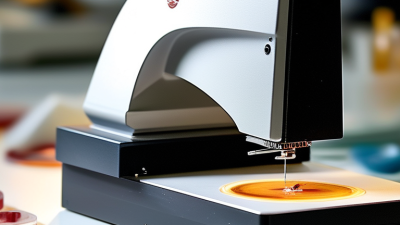
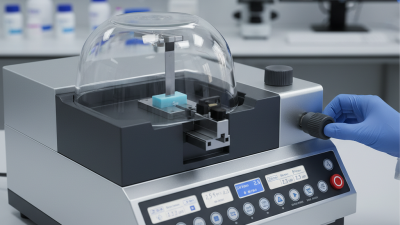
A microtome is a laboratory instrument that cuts extremely thin tissue sections for microscopic examination. In routine histology, it helps technicians place embedded tissue onto glass slides. A typical rotary model uses a handwheel, specimen clamp, feed mechanism, and disposable or reusable blade. The mechanism advances the specimen by a measured distance, often a few micrometres, then moves it across the blade.
The cutting process looks simple, but small details affect the result. Firm paraffin blocks usually produce connected ribbons, while brittle tissue may crumble. A controlled room temperature, sharp blade, and correct clearance angle are important. Cryostats cut frozen specimens inside a cooled chamber. Sliding microtomes handle larger or harder blocks. Ultramicrotomes produce far thinner sections for electron microscopy. Each type serves a different workload.
For 2026 purchasing, global buyers should compare section thickness control, specimen capacity, vibration resistance, and operator safety features. Check whether local technicians can service the drive system. Confirm compatible blades, voltage requirements, plug standards, and replacement-part availability. Training matters more than many catalogs admit. A sophisticated instrument can still perform poorly with rushed embedding or uneven trimming. A perfect ribbon is not guaranteed. Buyers should request trial sections, maintenance records, and clear warranty terms before ordering.
What Are the Main Types of Sakura Microtomes in 2026?
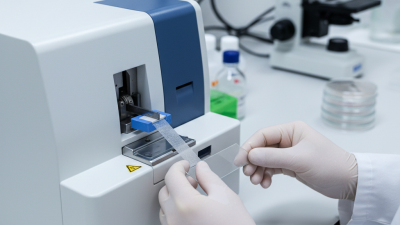
In 2026, Sakura microtomes generally fall into rotary, cryostat, and specialized ultramicrotome categories. Rotary models cut paraffin-embedded tissue for routine histology. Manual versions suit smaller laboratories with limited budgets and modest workloads. Semi-automated models provide smoother feed control and more consistent section thickness. Fully automated systems reduce repetitive hand movement during high-volume work. They still require trained supervision.
Cryostats are designed for frozen tissue sections. They combine a microtome with a refrigerated chamber, often supporting rapid intraoperative assessment. Temperature stability matters greatly here. A poorly maintained chamber can create brittle sections or compression artifacts. Ultramicrotomes produce extremely thin sections for electron microscopy and advanced research. They need specialized knives, vibration control, and careful operator technique. They are not practical for ordinary paraffin workflows.
From laboratory experience, choosing the type should begin with specimen material, daily slide volume, and staff skill. Rotary models are usually the most versatile option. Cryostats fit laboratories needing fast frozen-section results. Automated controls sound attractive, but complex software can slow work when training is incomplete. I have seen buyers focus on cutting speed and overlook cleaning access. That choice often becomes expensive. Check local service support, voltage compatibility, consumable availability, safety features, and calibration procedures before ordering. No type is perfect. The best fit depends on real workflow, not a brochure.
How Do Different Sakura Microtome Types Match Laboratory Needs?
Choosing a microtome starts with the specimen, not the machine’s price.
Rotary microtomes suit routine paraffin sections, especially in pathology and teaching laboratories. They offer steady handwheel control and consistent ribbons. For frozen tissue, a cryostat keeps samples cold during cutting. This helps preserve lipids, enzymes, and fragile structures. It also demands strict temperature control and careful decontamination.
Large or hard specimens may need a sledge microtome.
Its horizontal movement provides useful cutting force for resin blocks, bone, and dense plant materials. Sliding models can also support oversized samples, but they require more bench space. Semi-automatic systems reduce repetitive hand movement and help standardize section thickness. Fully automated systems fit high-volume laboratories with trained staff and stable maintenance support.
I have found that workflow details often decide the better match.
A busy histology room may value speed, waste reduction, and programmable trimming. A small research lab may prefer direct control and simpler repairs.
Check blade compatibility, specimen size, lighting, vibration, and operator training before buying. Do not overlook noise.
A sophisticated model can still frustrate users if software feels unclear.
Inexperienced operators may need more guidance than expected. Test representative blocks whenever possible. Ask whether local engineers can supply parts and calibration.
A practical fit usually matters more than impressive specifications.
Which Features and Specifications Should Global Buyers Compare?
Global buyers comparing 2026 sakura microtome types should begin with specimen needs, not appearance. Rotary models suit routine paraffin sections and offer controlled handwheel movement. Sliding models handle larger or harder blocks, but they need more bench space. Cryostat systems support frozen sections and require strict temperature control. The wrong type can slow an entire laboratory.
Compare section thickness, feed accuracy, and adjustment resolution carefully. A dependable rotary unit should deliver consistent sections across repeated runs. Check the minimum and maximum thickness range, coarse advance speed, and handwheel balance. Blade holders should support the cutting systems used in your laboratory. Quick-lock designs reduce setup time, while stable clamps help prevent chatter and compression.
Safety features deserve equal attention. Look for a handwheel lock, blade guards, waste trays, and smooth surfaces that are easy to disinfect. Ergonomic controls matter during long cutting sessions. Also verify voltage, plug configuration, operating temperature, spare-part access, and service response in your region. A detailed specification sheet helps, but it cannot reveal every vibration or learning curve. Ask for sample sections and user training before purchase. I have found that advertised precision may feel different under real workloads. That gap deserves honest testing.
How Can Global Buyers Select, Purchase, and Maintain a Sakura Microtome?
Global buyers choosing a rotary microtome should assess workflow, not only purchase price. The 2024 MarketsandMarkets Histology and Cytology Market report projects strong market growth through 2029. That growth reflects higher testing volumes and greater demand for consistent tissue sections. Buyers should compare section thickness control, specimen capacity, handwheel balance, safety locks, and local service coverage. A stable instrument should produce ribbons without excessive compression or chatter.
Purchase decisions need practical evidence. Ask suppliers for installation records, operator training, warranty terms, spare-part availability, and preventive-maintenance schedules. ISO 15189:2022 emphasizes equipment management, calibration, and documented competence in medical laboratories. Request a live demonstration using tissue types similar to your workload. A polished demonstration can still hide weak after-sales support. I would also calculate downtime costs before accepting a lower quotation.
Tips:
Keep the instrument on a rigid, vibration-free bench. Clean wax from guides after each session. Inspect the blade holder before cutting. Record section quality, adjustments, and faults in a maintenance log. Replace worn clamps early. Follow the supplier’s service intervals, but review them against your daily workload. Data from the 2023 Global Health Observatory shows continuing pressure on diagnostic systems, so dependable maintenance matters more than attractive specifications.